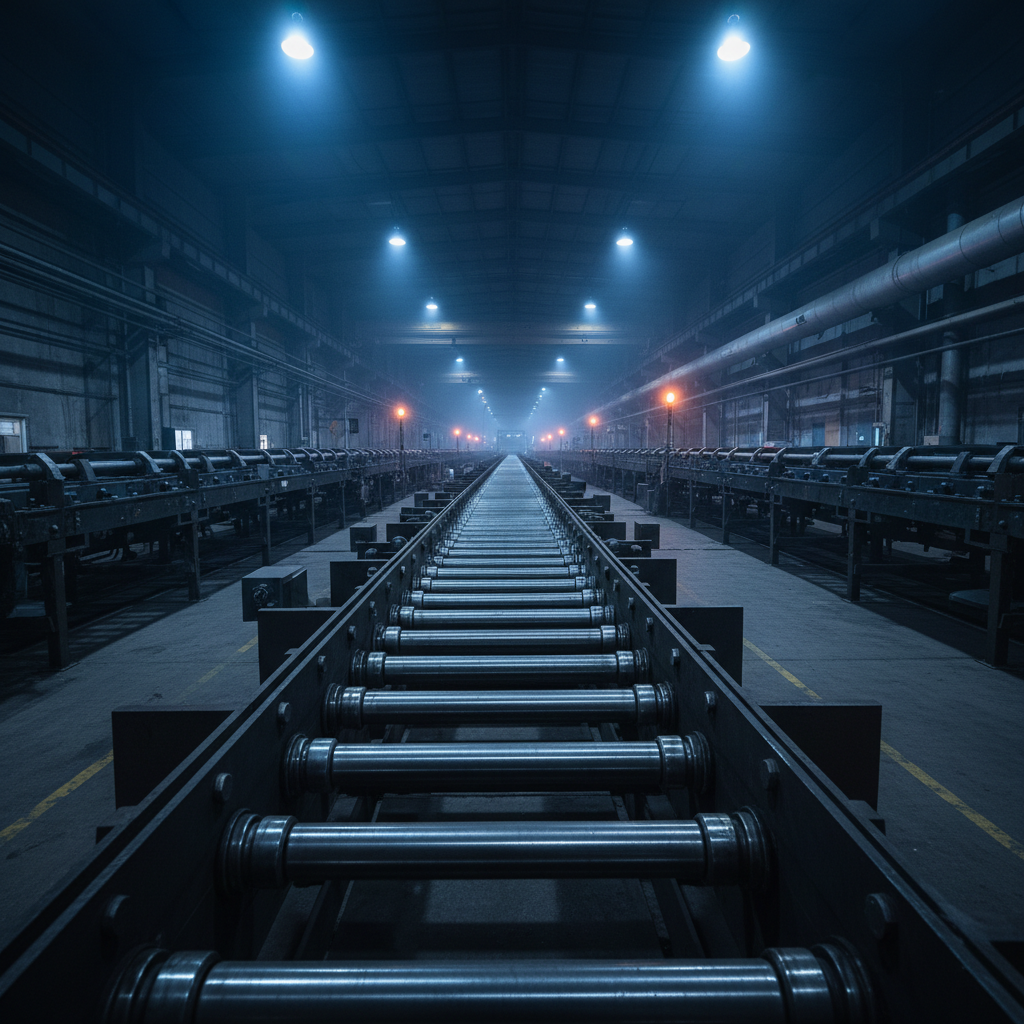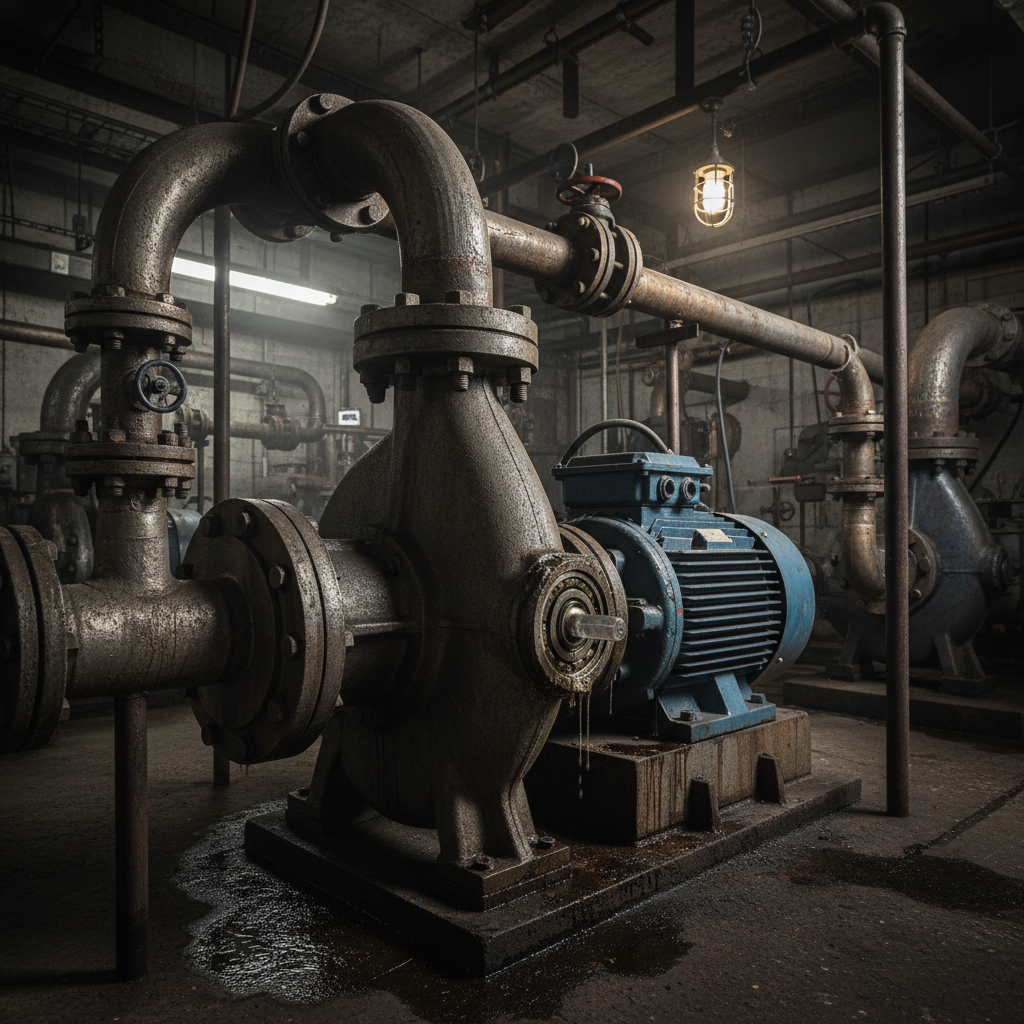
Most equipment failures do not happen suddenly.
In many industrial facilities, the warning signs begin developing weeks or even months before operations are impacted. Rising vibration levels, elevated temperatures, intermittent conveyor issues, abnormal motor noise, and subtle changes in performance often indicate developing problems long before catastrophic failure occurs.
The challenge is that many facilities are still operating reactively.
Maintenance teams are frequently forced to respond after a conveyor stops, a motor overheats, or a pump bearing fails. By the time the issue becomes visible to production, the true operational cost has already started accumulating.
Downtime Costs Far More Than The Repair Itself
When facility teams think about equipment failure, the initial focus is often the replacement cost of the failed component.
In reality, the repair itself is usually only a small portion of the total financial impact.
The hidden operational cost of unplanned downtime often includes:
- Lost production throughput
- Idle labor
- Missed shipping schedules
- Overtime labor
- Emergency maintenance response
- Product spoilage
- Equipment damage escalation
- Production bottlenecks
- Delayed customer deliveries
A failed conveyor bearing may cost only a few hundred dollars to replace. However, several hours of conveyor downtime inside a distribution center or manufacturing operation can quickly escalate into thousands or even tens of thousands of dollars in operational disruption.
For facilities operating continuous production lines, the impact can become even more severe.
Why Conveyor Failures Cost More Than Most Facilities Realize
Most Conveyor and Motor Failures Provide Early Warning Signs
Many common industrial failures develop gradually.
Conveyor overheating, motor vibration, bearing temperature drift, shaft misalignment, and abnormal acoustics often appear long before equipment becomes inoperable.
Common warning signs include:
- Increasing vibration levels
- Rising bearing temperatures
- Conveyor tracking inconsistencies
- Intermittent motor overheating
- Abnormal noise signatures
- Increased amperage draw
- Lubrication breakdown
- Pressure fluctuations in pump systems
The problem is not always a lack of warning signs.
The problem is often a lack of continuous visibility.
In many facilities, critical assets are only inspected periodically. Developing issues can remain unnoticed between inspections until a failure interrupts operations.
7 Early Warning Signs of Conveyor Bearing Failure
Reactive Maintenance Creates Operational Risk
Traditional reactive maintenance strategies create uncertainty across facility operations.
When equipment failures occur unexpectedly, maintenance teams are forced into emergency response mode. Production schedules are disrupted, resources are reallocated, and operations personnel are placed under pressure to restore uptime as quickly as possible.
This reactive cycle often leads to:
- Increased maintenance costs
- Higher overtime expenses
- Reduced equipment lifespan
- Lower operational efficiency
- Increased workplace stress
- Greater risk of secondary equipment damage
Facilities that continue operating reactively frequently experience recurring downtime events because developing problems are not identified early enough to allow for planned intervention.
A Simple Reliability Practice Facilities Can Implement Immediately
One of the most effective reliability improvements does not require new equipment or major capital investment.
Start by identifying the 5 to 10 most operationally critical assets in the facility.
For many operations, this includes:
- Main production conveyors
- Critical motors
- Primary process pumps
- Air compressors
- Gearboxes supporting continuous production
Then establish a simple weekly observation routine for those assets.
During the inspection, document:
- Surface temperature changes
- New vibration or noise
- Oil or grease leakage
- Conveyor tracking issues
- Intermittent overheating
- Unusual odors
- Pressure fluctuations
- Changes in operating behavior
Even basic trend tracking using a spreadsheet or maintenance log can help teams identify developing issues earlier.
One useful question maintenance teams can begin asking is:
"What equipment in this facility would create the greatest operational disruption if it failed today?"
In many cases, those assets are not being monitored as closely as they should be.
Facilities that focus attention on their highest operational risk equipment often discover that small changes in visibility and inspection discipline can significantly reduce unplanned downtime over time.
Continuous Equipment Monitoring Changes The Equation
Modern wireless vibration sensors and predictive maintenance technologies are changing how facilities manage reliability.
Continuous monitoring systems allow operations and maintenance teams to identify developing problems before equipment failure occurs.
By monitoring:
- Vibration
- Surface temperature
- Ultrasound
- Pressure
- Runtime behavior
- Operating trends
Facilities gain real time visibility into equipment health across conveyors, motors, pumps, gearboxes, and other rotating assets.
This allows maintenance teams to move from reactive emergency response toward planned corrective action.
Instead of discovering a failed bearing after downtime occurs, facilities can often identify abnormal vibration trends early enough to schedule repairs during planned maintenance windows.
Small Problems Rarely Stay Small
One of the most expensive mistakes facilities make is allowing minor issues to continue operating unnoticed.
A small bearing issue can eventually lead to:
- Shaft damage
- Motor failure
- Conveyor misalignment
- Belt damage
- Production stoppage
- Additional component failures
The longer developing problems remain undetected, the greater the operational and financial impact becomes.
This is especially true in facilities where conveyors, pumps, or motors support mission critical operations.
Warning Signs of Pump Bearing Failure Most Facilities Miss
Operational Visibility Is Becoming A Competitive Advantage
Facilities that invest in predictive maintenance and continuous operational visibility are increasingly gaining an advantage in reliability, uptime, and maintenance planning.
Rather than reacting to unexpected failures, these facilities are using equipment intelligence to:
- Reduce unplanned downtime
- Improve production continuity
- Extend equipment life
- Improve maintenance planning
- Reduce emergency response events
- Increase operational confidence
As industrial operations continue becoming more automated and throughput demands continue increasing, operational visibility is no longer simply a maintenance function.
It is becoming a business necessity.
Final Thoughts
Most equipment failures begin long before downtime occurs.
The warning signs are often already present through abnormal vibration, increasing temperature, conveyor overheating, or changing operational behavior. The facilities that identify these signals early are often the ones that avoid costly operational disruption later.
The real cost of equipment failure is rarely the failed component itself.
The true cost is the operational impact that follows.
For facilities where conveyors are among the most operationally critical assets, a deeper guide covering conveyor-specific monitoring strategies, common failure modes, industry applications, and practical reliability frameworks is available here: Conveyor Monitoring & Reliability.
Thinking About Operational Visibility at Your Facility?
If you're looking to reduce unplanned downtime, improve maintenance planning, or simply better understand the health of your critical equipment, we're happy to have that conversation. No pressure — just a straightforward discussion about what's possible for your operation.
Talk With 7G Solutions